Kriya Yoga
Pronunciation: KREE-yah YO-gah
Kriya Yoga is a traditional yogic system that combines breathwork, meditation, concentration, mantra, and subtle energetic techniques designed to quiet the mind and deepen spiritual awareness. Rooted in ancient Himalayan traditions, Kriya practices work directly with the nervous system and energetic body, helping practitioners move beyond mental distraction into states of stillness, clarity, and inner presence.
Unlike yoga practices focused primarily on physical movement, Kriya Yoga emphasises internal transformation through conscious breath, disciplined awareness, and meditative focus. Practitioners often describe the experience as calming, grounding, emotionally balancing, and deeply restorative for both body and mind.
Specific Kriya techniques are traditionally used to prepare the body for meditation by regulating energy flow, calming emotional turbulence, and reducing mental noise. Breath regulation, spinal awareness, mantra repetition, and stillness practices are all central components within many Kriya traditions
The Origins Of Kriya Yoga
The roots of Kriya Yoga trace back through ancient yogic and tantric traditions of India, where breath and consciousness were understood as powerful tools for spiritual evolution. Over centuries, these teachings were passed through lineages of meditation masters who viewed Kriya as a direct path toward expanded awareness and inner liberation.
Today, Kriya Yoga continues to be practised around the world by people seeking deeper connection, emotional clarity, spiritual discipline, and relief from the overstimulation of modern life.
Kriya Yoga At Angkor Wat
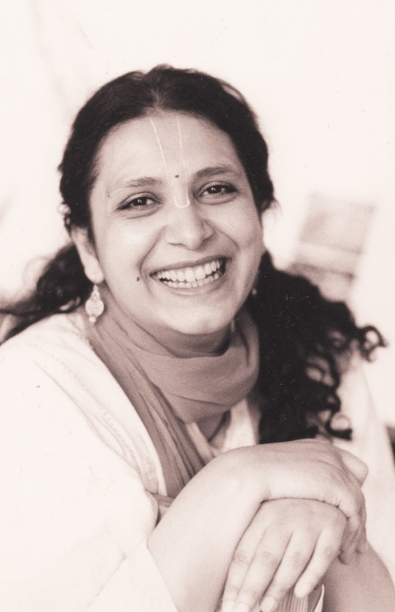
During the SoulAdventure Mantra Retreat at Angkor Wat, selected Kriya Yoga and Pranayama practices are woven into sunrise meditations, sacred chanting sessions, temple experiences, and silent contemplative rituals guided by Renata Sarasvati Diem.
Held within the extraordinary energetic atmosphere surrounding Angkor Wat, these practices are designed to help participants quiet the mind, reconnect with their emotional centre, and experience meditation in one of the world’s most spiritually significant temple environments.
The retreat combines Kriya Yoga, Bhakti Yoga, mantra chanting, sound healing, breathwork, meditation, and sacred travel into a deeply immersive transformational experience. Practising breath and meditation techniques near the ancient stone temples of Angkor creates a rare sense of timelessness, silence, and energetic presence that many participants describe as profoundly moving
Reserve Today
This is a rare opportunity to practice with
Renata Sarasvati Diem
r in one of the most spiritually charged landscapes on earth — spaces are limited and we expect them to fill quickly, so reserve your place today.
The Role Of Breath In Kriya Practice
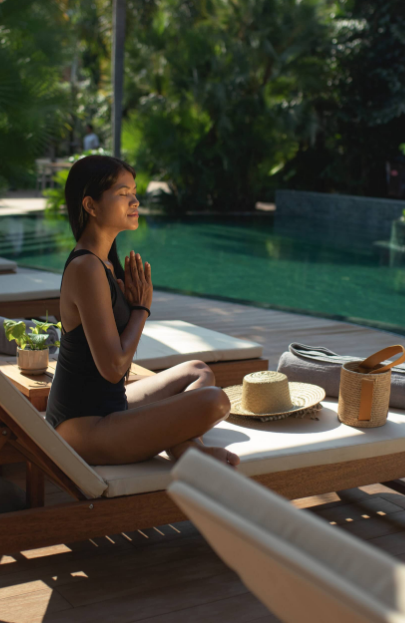
Breath is central to nearly all Kriya Yoga traditions. Conscious breathing techniques influence both the nervous system and the energetic body, helping practitioners move from stress and distraction into calm, focused awareness.
Through slow rhythmic breathing and intentional concentration, practitioners often experience increased emotional stability, improved clarity, heightened presence, and a stronger connection between body, breath, and mind.
Many meditation traditions consider breathwork essential preparation for entering deeper meditative states because the quality of the breath directly influences the activity of the mind.
Kriya Yoga And Spiritual Transformation
For many practitioners, Kriya Yoga becomes more than a wellness practice. It becomes a long-term spiritual discipline supporting self-awareness, emotional healing, inner stillness, and personal transformation.
Rather than escaping life, Kriya teaches practitioners how to remain deeply present within it. The practice encourages greater sensitivity, compassion, emotional balance, and conscious awareness in everyday experience.
Within sacred environments such as Angkor Wat, these teachings often take on an even deeper dimension, allowing participants to experience meditation, silence, and inner reflection within spaces shaped by centuries of devotion, ritual, and prayer.
Related Terms
Pranayama
Bhakti Yoga
Kundalini
Nadis
Samadhi
Related Retreats
Angkor Wat Mantra Retreat With Renata Sarasvati Diem
Upcoming Retreats
Discover why people keep coming back

Sheree Hamilton

Essential Retreat Organizer

JULIAN ALONSO PEREZ

Nathalia Reis

Lorena Mora
Common Questions
Yes. Many Kriya Yoga practices can be adapted for beginners, especially when guided by an experienced teacher. Breath awareness, meditation, and simple concentration practices are often introduced gradually before moving into more advanced techniques.
The purpose of Kriya Yoga is to quiet mental activity, balance the nervous system, deepen awareness, and support spiritual growth. Traditional teachings describe Kriya as a path toward inner stillness, clarity, and expanded consciousness.
Experiences vary between individuals, but many practitioners describe Kriya Yoga as calming, grounding, emotionally balancing, and deeply restorative. Some people also report heightened clarity, energetic sensitivity, and greater emotional awareness.
During the SoulAdventure Mantra Retreat at Angkor Wat, Kriya-inspired practices are integrated into meditation, mantra chanting, breathwork, and sacred temple experiences guided by Renata Sarasvati Diem. The peaceful atmosphere of Angkor Wat creates a powerful setting for reflection, silence, and inner connection.
Yes. Meditation is one of the core foundations of Kriya Yoga. Many Kriya techniques are specifically designed to prepare practitioners for stillness, concentration, and deeper meditative states.