
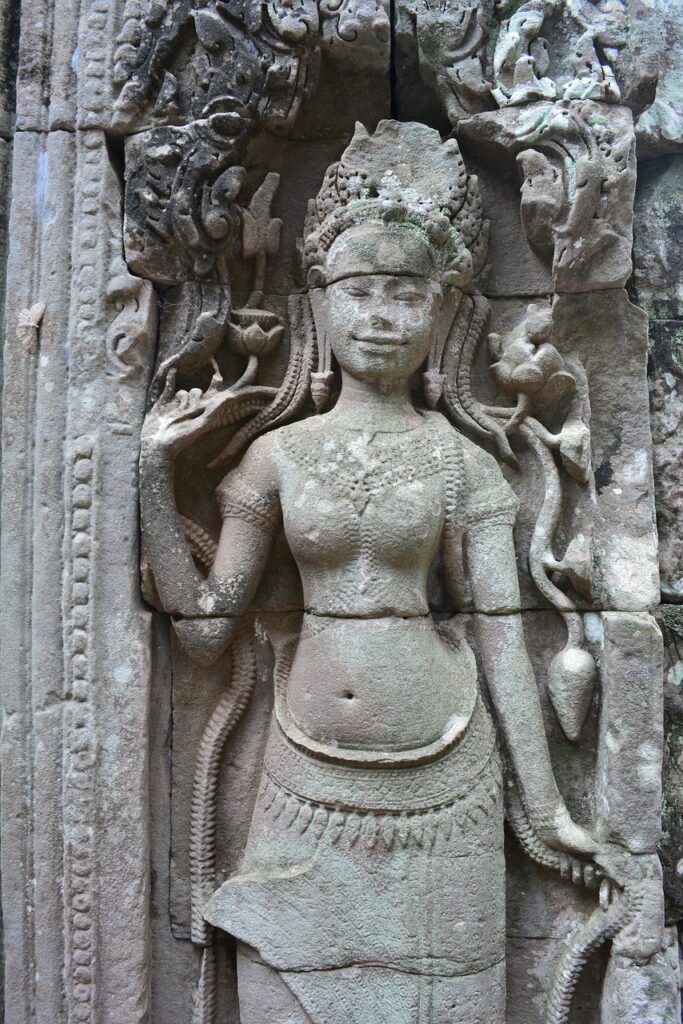
Yoga practices — Physical posture
Asana
AH-sah-nah
The physical postures of yoga — not an end in themselves, but a precise preparation of the body as a vessel for awareness, breath, and stillness.
The word asana comes from the Sanskrit root as, meaning to sit or to be present. In its earliest usage it referred simply to a meditation seat — the stable, comfortable position from which a practitioner could remain still for extended periods without distraction. Over centuries, the term expanded to encompass the full range of physical postures that prepare the body for that stillness.
In the modern West, asana has often been treated as the entirety of yoga — a form of mindful exercise focused on flexibility, strength, and physical wellbeing. These benefits are real. But in the classical tradition, asana is the third of Patanjali's eight limbs of yoga, and its purpose is specific: to establish a body so free from tension, discomfort, and energetic blockage that the practitioner can sit in meditation for hours without physical distraction.
At SoulAdventure retreats, asana is taught in this original spirit — integrated with Pranayama (breathwork) and Dhyana (meditation) to create a complete transformative practice rather than a physical workout.
“Asana is not about what the body looks like from the outside. It is about what it feels like from within — open, free, and capable of remaining still long enough for something deeper to arrive.”
— Renata Sarasvati Diem, SoulAdventure
What asana actually does
Releases physical tension
Chronic stress accumulates in the body as muscular holding patterns — tight hips, compressed shoulders, a braced jaw. Asana practice systematically opens these areas, releasing stored tension that would otherwise surface as distraction during meditation.
Opens the energetic body
In yogic anatomy, prana (life force) flows through subtle channels called nadis. Physical postures, held with awareness and breath, clear blockages in these channels and allow energy to move freely — preparing the system for Pranayama and mantra practice.
Trains present-moment attention
Every asana requires the practitioner to be here — sensing the body, following the breath, noticing sensation without reaction. This quality of attention is identical to meditation, which is why asana is described as moving meditation in the classical texts.
Prepares the seat for stillness
The original purpose of asana was to create a body capable of sitting still without pain or restlessness. This remains its deepest function — and the one most relevant to retreat practice, where morning asana flows directly into Pranayama and mantra.
Asana at the Angkor Wat retreat
Morning practice before dawn
Each retreat day begins before sunrise with a morning sequence that moves from gentle asana into Pranayama and mantra. The pre-dawn quiet near the ancient temple complex creates a quality of focus that ordinary studio practice rarely touches.
Integrated with breath and sound
Renata Sarasvati Diem teaches asana not as isolated postures but as breath-led movement — each transition timed to the inhale or exhale, each held position an invitation to deepen Pranayama awareness. When movement, breath, and sound align, the practice enters a different register entirely.
Accessible to all levels
The retreat asana practice is designed for practitioners of all levels — from those who have never attended a yoga class to experienced teachers. What matters is not the shape of the posture but the quality of presence brought to it. No flexibility or prior experience is required.
A practice you take home
Retreat participants leave with a morning sequence they can reproduce at home — combining asana, Pranayama, and mantra into a 20-minute daily practice that serves as an anchor for the transformative experience of the retreat.
Asana in the classical yoga tradition
The Yoga Sutras of Patanjali describe asana in a single, elegant definition: sthira sukham asanam — the posture should be steady and comfortable. This apparently simple instruction contains a complete teaching: the practitioner is not straining toward an ideal shape, but finding the intersection of effort and ease, of engagement and release.
This principle is particularly relevant in the context of a sacred site retreat. Near the ancient Angkor temple complex, surrounded by nine centuries of accumulated devotion and spiritual intention, the quality of attention brought to a yoga posture is amplified in a way that is difficult to describe and immediately felt. Practitioners consistently report that their asana practice takes on a different quality in this environment — more present, more effortless, more alive.
The relationship between asana and the other practices taught at the SoulAdventure retreat — Pranayama, mantra, Kirtan, and sound healing — is not incidental. Each practice opens a different layer of the practitioner's experience, and they support each other in a sequence that has been refined over thousands of years. Asana opens the body. Pranayama steadies the mind. Mantra directs the energy. Meditation receives what all three have prepared.
About this term
Asana — the physical postures of yoga — are practised at SoulAdventure retreats to prepare the body for deeper states of meditation and spiritual awareness, integrated with Pranayama and mantra near the sacred site of Angkor Wat.
Experience asana in practice
SoulAdventure
Mantra Retreat
Five days of asana, Pranayama, mantra, Kirtan, and sound healing near the sacred site of Angkor Wat, guided by Renata Sarasvati Diem.
Explore the retreat →Retreat at Angkor Grace Resort
Angkor Wat Retreat
with Renata Sarasvati Diem
Related terms